
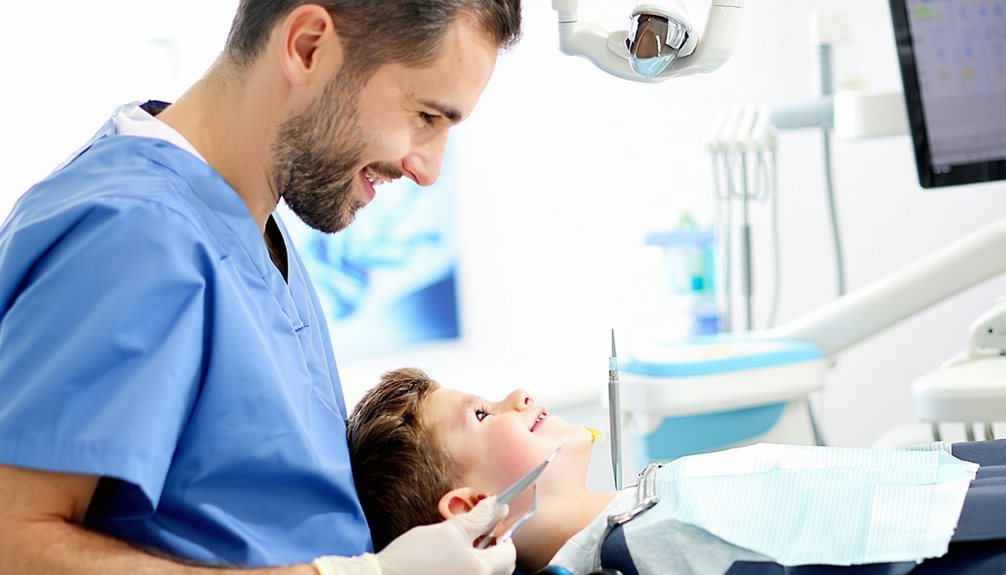
Sedation offers a comforting solution for special needs patients during dental visits. It helps ease anxiety and fear, especially for those sensitive to sensory experiences or who find medical environments overwhelming. By calming the nervous system, sedation makes treatments less stressful, allowing longer procedures without discomfort. This leads to better cooperation and more positive outcomes. Customized treatment plans guarantee that each patient’s unique needs are met, enhancing comfort and safety. Choosing compassionate dentists trained to adapt strategies further supports a welcoming experience. Exploring how these approaches combine can reveal the full benefits of sedation dentistry for special needs.
Understanding Sedation Dentistry
Sedation dentistry can be a beacon of comfort for patients with special needs, offering a pathway to a calmer and more manageable dental experience. By integrating innovative sedation techniques, dental professionals can transform what might be an intimidating visit into an approachable and stress-free appointment.
Sedation dentistry involves using medicine to help patients relax during dental procedures, guaranteeing they feel safe and secure. This is especially important for individuals with various sensory sensitivities or cognitive challenges, where traditional dental visits may feel overwhelming.
Understanding sedation techniques is essential in creating a personalized approach. Options like nitrous oxide, often called "laughing gas," help patients feel at ease. For those needing deeper relaxation, oral or intravenous sedation may be used, allowing them to remain conscious but deeply relaxed.
Effective patient communication is fundamental in sedation dentistry. Dentists and their teams work closely with patients and their caregivers, explaining each step in a friendly, easy-to-understand manner.
This collaborative approach not only builds trust but also guarantees that each patient’s unique needs are met with compassion and care. Embracing these innovative practices means paving the way for a more inclusive and supportive dental environment.
Addressing Anxiety and Fear
For patients with special needs, visiting the dentist can sometimes feel overwhelming due to anxiety and fear.
Sedation can play a vital role in calming the nervous system, making the experience much more comfortable.
Calming Nervous System
Understanding the importance of calming the nervous system is essential when addressing the anxiety and fear often experienced by special needs patients in medical settings. Many children with special needs encounter challenges in sensory integration, which means they might find it hard to process the sights, sounds, and sensations around them. This can lead to feelings of being overwhelmed, which, in turn, can heighten anxiety and fear during medical visits.
By focusing on calming the nervous system, healthcare providers can help these young patients feel more at ease.
Emotional regulation plays a vital role in managing these feelings. When a child learns to understand and control their emotions, it becomes easier for them to face situations that might otherwise seem scary.
Innovative techniques and tools aimed at calming the nervous system, such as gentle music, soft lighting, or even weighted blankets, can make a significant difference. These methods not only promote a sense of security but also foster a more peaceful environment, facilitating better sensory integration.
As a result, children can feel more comfortable and confident, paving the way for positive medical experiences and promoting overall well-being.
Enhancing Comfort Levels
Enhancing comfort levels for special needs patients is essential in reducing anxiety and fear during medical visits. For many children with special needs, the sights, sounds, and smells of a medical environment can be overwhelming. By focusing on sensory integration, healthcare providers can create a setting that feels safe and calming. This means considering how different textures, light, and sounds can be adjusted to meet the unique sensory preferences of each patient.
One innovative approach involves making environmental adjustments tailored to the individual needs of special needs patients. For instance, using dimmer lighting or providing headphones with soothing music can help minimize sensory overload.
Even the choice of colors in a room or the use of weighted blankets can contribute to a more comfortable experience.
Incorporating these thoughtful adjustments not only helps in managing anxiety but also fosters trust and cooperation between the patient and healthcare provider. By understanding and addressing the sensory needs of special needs patients, we create a compassionate environment that transforms a potentially intimidating experience into one that is more welcoming and supportive.
This approach not only improves the patient’s comfort but also enhances the overall effectiveness of medical care.
Reducing Stress Responses
Creating a comfortable environment is just the beginning of helping special needs patients feel at ease. While a cozy setting is essential, understanding stress management and emotional regulation can truly transform the healthcare experience for these individuals. Many special needs patients experience heightened anxiety and fear in medical settings, which can lead to challenging stress responses.
Sedation can play a vital role in minimizing these reactions, allowing for a smoother and more positive experience. For children and adults alike, managing emotions can be like taming a stormy sea. Sedation acts as a gentle anchor, helping to calm the waves of anxiety and promote emotional regulation.
By reducing fear, sedation allows patients to focus on the care they need, rather than the overwhelming feelings they might otherwise experience. This innovative approach not only supports their immediate well-being but also contributes to long-term trust in healthcare environments.
Incorporating sedation as a tool for stress management is a step toward more compassionate care. It acknowledges the unique needs of special needs patients and endeavors to create an atmosphere where they can feel safe and secure, paving the way for a healthier future.
Enhancing Comfort and Cooperation
With the goal of making dental visits more pleasant, sedation can play a crucial role in enhancing comfort and cooperation for special needs patients. Dental environments can feel overwhelming, and simple comfort techniques aren’t always enough to ease anxiety. Sedation helps by creating a calming experience, allowing patients to relax and feel more at ease. This technique is especially useful for children and individuals who might find the bright lights, unfamiliar sounds, and close contact of dental procedures challenging.
By using sedation, dental professionals can employ cooperative strategies that encourage patients to participate willingly in their treatment. When patients feel calm, they are more likely to cooperate, making it easier for dentists to perform necessary procedures effectively. This approach not only reduces stress but also builds trust and positive associations with dental care.
Moreover, sedation fosters a safe and supportive environment where special needs patients can receive the care they require without fear or discomfort. By focusing on comfort and cooperation, sedation paves the way for innovative dental care that meets the unique needs of each patient.
Customizing Treatment Plans
Creating a treatment plan for special needs patients involves understanding each individual’s unique needs and preferences.
By evaluating what works best for each person, healthcare providers can develop adaptive strategies that make visits more comfortable and less worrisome.
Personalized care approaches guarantee that every patient receives the attention and support they deserve during their treatment.
Personalized Care Approaches
Often, when providing dental care for special needs patients, it’s essential to tailor treatment plans to fit their unique requirements. This personalized approach guarantees that each patient receives care that is not only effective but also comfortable and compassionate.
By using tailored techniques, dental professionals can adapt to the specific needs of each individual, whether they have sensory sensitivities, communication challenges, or other special considerations.
For example, some patients may benefit from a quiet environment with minimal sensory stimulation, while others might need more frequent breaks or visual aids to understand procedures. Innovative approaches such as these make dental visits less intimidating and more inclusive, paving the way for positive experiences.
Personalized care empowers patients and their families by acknowledging and respecting their unique needs. This compassionate approach fosters trust and cooperation between the patient and the dental team, enhancing the overall experience.
By embracing innovation and creativity in developing these tailored techniques, dental professionals can greatly improve the quality of care for special needs patients.
Ultimately, personalization in dental care not only addresses the specific challenges faced by special needs patients but also champions a more inclusive and empathetic healthcare environment for all.
Individual Needs Assessment
Understanding the unique needs of special needs patients is crucial in customizing effective treatment plans. Each patient is like a colorful puzzle piece, with distinct traits that require unique solutions. By conducting an individual assessment, healthcare providers can gather essential information about a patient’s specific needs, preferences, and challenges. This process is like a friendly treasure hunt, where we collect clues to design the perfect care plan.
A tailored approach guarantees that special needs patients receive the care they truly require, making their experience as comfortable and positive as possible. For instance, some patients might feel anxious in new environments, while others need extra time to understand procedures. By recognizing these differences, healthcare providers can adjust their methods, using sedation wisely to ease anxiety and enhance cooperation.
Innovation plays a key role in creating these customized treatment plans. By embracing new technologies and strategies, we can offer more precise and compassionate care. This not only supports the well-being of special needs patients but also paves the way for continuous improvement in healthcare practices.
Through careful individual assessment and tailored approaches, we can make healthcare an empowering and inclusive journey for everyone involved.
Adaptive Strategy Development
Building upon the insights gathered from individual assessments, the next step involves crafting adaptive strategies for treatment plans tailored to special needs patients. This process is about weaving a tapestry of care that fits each unique individual, ensuring they receive the compassion and innovation they deserve.
Adaptive techniques are not just about following a script; they involve creativity and understanding to design personalized strategies that make a patient feel safe and understood.
Imagine the joy and comfort a child feels when they know their needs are truly being met. This is the essence of adaptive strategy development.
Here’s how these strategies can make a difference:
- Empathy at the Core: Understanding each patient’s fears and needs.
- Safety First: Ensuring a secure and calm environment.
- Personalized Plans: Crafting approaches that are as unique as a fingerprint.
- Innovative Techniques: Using the latest methods to ease patient anxiety.
- Continuous Adaptation: Adjusting strategies as patients grow and change.
Ensuring Safety and Monitoring
When caring for special needs patients, guaranteeing safety during sedation is paramount to providing effective treatment while minimizing risks. Sedation can be a helpful tool, but it requires a careful approach to protect our precious patients. This involves diligent patient monitoring, which is like keeping a watchful eye to guarantee everything is going smoothly. By checking essential signs, such as heart rate and oxygen levels, caregivers can make sure the patient remains safe throughout the procedure.
Safety protocols are like a safety net, designed to catch any potential problems before they arise. These might include having emergency equipment ready, knowing each patient’s medical history, and understanding how they might react to sedation. It’s like being a detective, gathering clues to create the safest environment possible.
Innovative tools and technologies are making sedation even safer. Advanced monitors and alert systems help healthcare professionals respond quickly if something doesn’t seem right. Think of it as having a smart assistant who’s always ready to help.
Choosing the Right Dentist
Selecting the right dentist for special needs patients is an important step that complements the safety measures taken during sedation.
Finding a dentist who truly understands and cares for special needs can make all the difference. It’s essential to focus on choosing specialists who have the experience and compassion necessary to provide the best care.
When evaluating credentials, consider the following:
-
Experience with Special Needs: Look for dentists who have a proven track record of working with special needs patients, ensuring they know how to make visits comfortable and stress-free.
-
Compassionate Communication: Choose someone who communicates warmly and patiently, making sure everyone feels at ease throughout the process.
-
Innovative Techniques: Seek out dentists who use modern techniques and tools designed to enhance comfort and efficiency.
-
Positive Environment: A welcoming and friendly dental office can transform a routine visit into a pleasant experience.
-
Personalized Care Plans: Dentists who offer tailored care plans demonstrate their commitment to addressing individual needs and preferences.
Frequently Asked Questions
How Does Sedation Affect Long-Term Dental Health in Special Needs Patients?
Sedation safety is essential for long-term dental health, especially in special needs patients. It helps ease dental anxiety, ensuring regular dental visits and care. This innovative approach fosters positive experiences, promoting healthier smiles over time.
Are There Non-Pharmaceutical Alternatives to Sedation for Dental Procedures?
Non-pharmaceutical alternatives, such as mindfulness techniques and behavioral strategies, offer innovative approaches to support special needs patients during dental procedures. These methods foster relaxation, reduce anxiety, and enhance cooperation, promoting a positive experience without relying on sedation.
How Does Sedation Impact Cognitive Development in Children With Special Needs?
Understanding sedation’s impact on cognitive function and developmental milestones in children with special needs is vital. While sedation assists in necessary procedures, it is important to balance immediate benefits with long-term cognitive and developmental considerations for ideal growth.
What Are the Financial Implications of Sedation for Special Needs Dentistry?
The financial implications of sedation in special needs dentistry include varying treatment costs and insurance coverage. Families often seek innovative solutions to manage expenses, ensuring access to essential dental care tailored for their child’s unique needs.
Can Sedation Be Used for Routine Dental Check-Ups in Special Needs Patients?
Yes, sedation can be helpful during routine check-ups for special needs patients. It guarantees comfort and reduces anxiety, making dental visits smoother and more enjoyable. This innovative approach promotes positive experiences and encourages regular dental care.
Conclusion
Sedation dentistry provides significant benefits for patients with special needs by addressing anxiety and enhancing comfort during dental procedures. By creating a more relaxed environment, sedation aids in increasing patient cooperation, which is vital for successful treatment outcomes. Customized treatment plans guarantee that each individual’s unique needs are met while maintaining a strong focus on safety and monitoring. Selecting an experienced dentist is important to ascertain the correct sedation method is used, promoting a positive and stress-free dental experience.

