
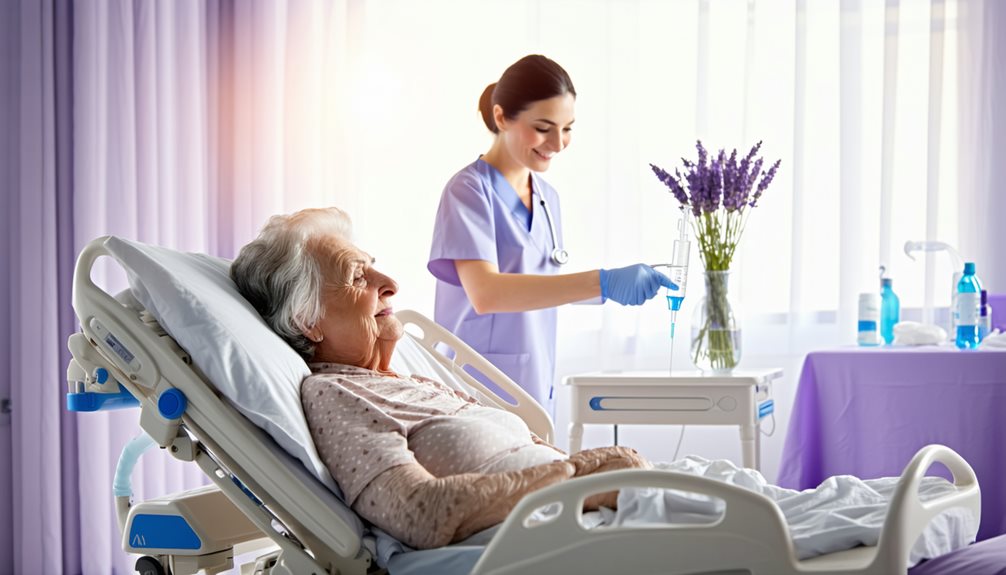
Elderly patients have specific needs that sedation techniques can address during dental procedures to enhance comfort and safety. Options include intravenous sedation for quick action, oral sedation for less invasiveness, and nitrous oxide for mild anxiety. Tailoring these methods involves evaluating patient health, medication interactions, and physiological changes due to aging. Continuous monitoring of essential signs guarantees safety. Effective communication with patients and caregivers supports patient-centered care, aligning sedation plans with individual preferences. Dentists experienced in geriatrics can offer improved oral care, accommodating unique health considerations. Exploring these elements provides deeper insights into optimizing sedation for elder patient comfort.
Understanding Sedation Dentistry
How does sedation dentistry transform the experience of elderly patients undergoing dental procedures? As individuals age, the prevalence of dental issues often increases, accompanied by heightened sedation anxiety. This anxiety can be a significant barrier to seeking necessary dental care.
Sedation dentistry offers an innovative solution that tailors the dental experience to the unique needs of elderly patients, ensuring comfort and reducing anxiety. By utilizing mild to moderate sedation techniques, practitioners can create a calming environment, facilitating a more manageable experience for the patient.
Effective patient communication is another cornerstone of sedation dentistry. A thorough understanding of the patient’s medical history, current medications, and any underlying health conditions is essential. This allows the dental professional to determine the most appropriate sedation method, minimizing risks and optimizing outcomes.
Clear communication also involves explaining the sedation process, addressing any concerns, and setting realistic expectations, all of which contribute to mitigating anxiety.
Furthermore, sedation dentistry requires a patient-centered approach that respects the autonomy and preferences of elderly individuals. By integrating advanced sedation practices with compassionate communication, dental professionals can transform potentially intimidating procedures into experiences that are not only tolerable but also promote overall well-being.
Benefits of Sedation for Seniors
Sedation-for-seniors offers numerous advantages, particularly in enhancing the dental care experience for elderly patients. One primary benefit is the significant reduction in patient anxiety, which is often heightened in older adults due to past traumatic experiences or increased sensitivity to dental procedures. By alleviating this anxiety, sedation allows for a more relaxed and cooperative patient, facilitating smoother dental interventions and improving overall outcomes.
Furthermore, sedation markedly improves comfort levels during procedures. Elderly patients frequently face physical limitations, such as arthritis or other chronic pain conditions, which can make sitting still in a dental chair challenging. Sedation helps to maintain comfort, reducing the need for frequent breaks and interruptions, ultimately making the process more efficient and less taxing.
Additionally, sedation can enhance the quality of care by allowing for more extensive dental work to be completed in fewer visits. This is particularly beneficial for seniors who may have transportation difficulties or medical conditions that limit their ability to make multiple trips.
Types of Sedation Methods
When considering sedation methods for elderly patients, it is essential to tailor the approach to the individual’s specific health needs and procedural requirements. Within the domain of sedation, both intravenous sedation and oral sedation present viable options, each with unique benefits suitable for geriatric populations.
Intravenous sedation, often preferred for its rapid onset and precise titration capabilities, allows clinicians to maintain stringent control over sedation levels, adjusting as needed. This method is particularly advantageous in procedures requiring quick, adaptable responses, minimizing the risk of prolonged sedation that can complicate recovery in older adults.
Conversely, oral sedation stands as a less invasive option, prioritizing patient comfort and ease of administration. This method involves the use of oral medications taken prior to procedures, effectively reducing anxiety and promoting relaxation. Although it offers a slower onset compared to intravenous approaches, oral sedation can be ideal for minor interventions where minimal sedation suffices.
It is vital, however, to carefully assess pharmacokinetic variables, as metabolic rates can vary markedly among elderly individuals, impacting drug efficacy and safety.
Incorporating these sedation methods with a nuanced understanding of geriatric care fosters an innovative approach, ensuring thorough patient-centered comfort and safety.
Assessing Patient Needs
A thorough assessment of patient needs is vital in developing an effective sedation plan for elderly individuals. This approach must integrate a detailed understanding of patient history, including previous sedation experiences, medical conditions, and potential drug interactions. Such detailed insights enable healthcare providers to tailor sedation strategies that align with the unique physiological changes associated with aging, thereby guaranteeing maximum efficacy and minimal risk.
Incorporating individual preferences into sedation planning is equally important. Elderly patients often have distinct perspectives shaped by their life experiences, making it essential to engage in open dialogues that respect and accommodate their desires and concerns. This patient-centered approach not only enhances comfort but also fosters trust and cooperation in the clinical setting.
Utilizing cutting-edge assessment tools and innovative technology can further refine the personalization of sedation plans. Advanced diagnostic methods and predictive analytics facilitate a nuanced understanding of each patient’s needs, paving the way for more precise sedation choices.
Safety Considerations for Elderly
When considering sedation options for elderly patients, it is important to carefully evaluate medication interaction risks due to the polypharmacy common in this population.
Continuous monitoring of key signs is essential to promptly identify any adverse reactions or complications during sedation.
Additionally, adjusting dosage levels to align with the unique physiological changes in older adults guarantees both efficacy and safety in their care.
Medication Interaction Risks
Understanding the complexities of medication interactions is crucial when considering sedation options for elderly patients. As the aging population often experiences polypharmacy concerns, the potential for drug interactions markedly increases. Elderly individuals, on average, tend to take multiple medications concurrently, raising the stakes for adverse effects when introducing sedatives.
In the context of sedation, drug interactions can manifest in various ways, including heightened sedation, respiratory depression, or unexpected cardiovascular effects. Innovative strategies to address these risks involve leveraging advanced pharmacological databases and decision-support tools that help clinicians anticipate and manage potential interactions.
Prioritizing a patient-centered approach means individualizing sedation plans, recognizing the unique pharmacokinetic and pharmacodynamic profiles in geriatric patients. Collaboration with pharmacists can further enhance safety by ensuring that all therapeutic avenues are explored and optimized.
Tailored dosing regimens, careful selection of sedative agents, and ongoing reassessment are essential in ensuring patient comfort without compromising safety. Ultimately, by integrating innovative solutions and detailed planning, healthcare professionals can navigate the complexities of polypharmacy and drug interactions, enhancing the well-being of elderly patients undergoing sedation.
Monitoring Vital Signs
Amidst the complexities of providing sedation for elderly patients, meticulous monitoring of essential signs is paramount in ensuring safety and efficacy. As the geriatric population presents with unique physiological challenges, vigilant critical signs monitoring becomes indispensable. The integration of advanced patient observation technologies can enhance the precision and responsiveness of care, adapting to the nuanced needs of this demographic.
Effective monitoring encompasses continuous assessment of blood pressure, heart rate, respiratory rate, and oxygen saturation. These parameters offer crucial insights into the patient’s response to sedation, enabling prompt identification of adverse effects. Innovations in non-invasive monitoring techniques, such as wireless wearable sensors, allow for real-time data collection without compromising patient comfort. This cutting-edge approach facilitates early intervention, mitigating the risk of complications.
Furthermore, individual variability in pharmacokinetics and pharmacodynamics among elderly patients necessitates a tailored approach. Personalized monitoring protocols should account for preexisting conditions and medication regimens that may influence critical signs.
Through a combination of technological advancements and expert clinical judgment, healthcare providers can optimize sedation strategies, ensuring both safety and comfort. Emphasizing patient-centered care, this vigilant approach to critical signs monitoring is essential for enhancing the quality of life in sedated elderly patients.
Adjusting Dosage Levels
In the domain of geriatric care, precise adjustment of sedation dosage levels is crucial, with significant safety implications for elderly patients. This demographic often presents with unique physiological changes, including altered pharmacokinetics and pharmacodynamics, necessitating nuanced dosage adjustments to guarantee effective and safe sedation.
The elderly may exhibit heightened sensitivity to medications, therefore requiring lower initial doses and careful titration to minimize adverse effects while maintaining desired sedation levels. Patient responsiveness must be closely monitored to guide these dosage adjustments.
An innovative approach involves using continuous feedback mechanisms, such as real-time monitoring of cognitive and physiological responses, to tailor sedation levels dynamically. This guarantees that sedation is both effective and safe, reducing the risk of over-sedation and related complications such as respiratory depression and prolonged recovery.
Furthermore, in order to foster a patient-centered approach, individualized sedation plans should consider comorbidities, concurrent medications, and overall health status. Advanced algorithms and machine learning models can assist in predicting patient responsiveness, offering a futuristic perspective on optimizing sedation practices.
As the field evolves, integrating technology with clinical expertise can enhance the precision of sedation management, prioritizing patient safety and comfort.
Choosing the Right Dentist
Selecting the appropriate dentist for elderly patients requires careful consideration of several important factors.
A dentist with extensive experience in geriatric care is essential, as they will be more adept at understanding the unique needs and challenges faced by older adults.
Additionally, the availability of a diverse range of sedation options and the presence of office accessibility features such as ramps and elevators are vital to guarantee a comfortable and accommodating experience for elderly patients.
Experience With Elderly Care
When considering dental care for elderly patients, the selection of a dentist with substantial experience in geriatrics is paramount to guaranteeing ideal oral health outcomes. Geriatric challenges such as age-related changes in oral tissues, medication interactions, and cognitive decline necessitate a nuanced approach to dental care.
A dentist well-versed in these challenges can tailor treatment plans that accommodate the unique physiological and psychological needs of older adults, thereby enhancing patient comfort and cooperation during procedures.
Moreover, the role of caregiver support cannot be understated. Effective communication with caregivers forms a critical component of thorough care for elderly patients. Dentists who actively engage with caregivers can obtain valuable insights into the patient’s medical history, current medications, and daily routines, all of which are pivotal in formulating a safe and effective dental treatment strategy.
This collaboration also guarantees that caregivers are informed and empowered to assist in maintaining oral hygiene practices at home, ultimately contributing to the patient’s overall well-being.
Innovation in geriatric dentistry, including the integration of telehealth consultations and digital imaging technologies, offers promising avenues for improving access and quality of care.
Dentists committed to continuous learning and adaptation are best positioned to leverage these advancements for the benefit of their elderly patients.
Range of Sedation Options
Maneuvering the range of sedation options for elderly dental patients requires a detailed understanding of both the physiological changes associated with aging and the specific needs of this demographic.
As the elderly often face increased patient anxiety due to past experiences or health-related concerns, choosing the right sedation techniques becomes essential. The dentist must consider age-related alterations in drug metabolism and sensitivity, ensuring that sedation is both safe and effective.
Nitrous oxide, commonly known as laughing gas, presents a mild option that can alleviate anxiety without prolonged recovery times, making it ideal for those with minimal anxiety.
For moderate sedation, oral sedatives provide a deeper relaxation while allowing the patient to remain conscious and responsive—an excellent choice for those who might be apprehensive about invasive procedures.
Intravenous sedation offers a controllable and adaptable solution for more complex interventions, providing quick onset and adjustable dosing, which is vital for elderly patients with varying tolerance levels.
A patient-centered approach involves consulting with the patient and their caregivers to tailor sedation choices to individual health profiles and anxiety levels, ensuring that comfort and safety are prioritized throughout the dental experience.
Office Accessibility Features
Evaluating office accessibility features is vital when choosing a dentist for elderly patients, as it directly impacts their overall comfort and ability to receive care. For the aging population, the physical environment of a dental office can greatly influence their experience.
Prioritizing practices with robust accessibility features, such as wheelchair access and dental ramps, is imperative for guaranteeing seamless visits.
Incorporating these elements into a dental practice demonstrates a commitment to patient-centered care and a dedication to innovation in geriatric dentistry. Accessibility features should extend beyond basic compliance and aim to enhance the patient journey.
Thoughtful design considerations can greatly improve an elderly patient’s ease of movement and reduce anxiety associated with dental visits.
Consider these key features when selecting a dentist for elderly care:
- Wheelchair Access: Confirm that the office is fully navigable for wheelchair users, from entryways to treatment areas.
- Dental Ramps: Look for graduated inclines that are gentle and non-slip, facilitating safe changes throughout the facility.
- Spacious Layout: Ample room for maneuvering mobility aids and accommodating support companions enhances the overall experience.
Frequently Asked Questions
How Can Sedation Impact an Elderly Patient’s Memory Post-Treatment?
Sedation can considerably affect an elderly patient’s memory retention and cognitive function post-treatment. It may lead to temporary or long-term cognitive decline, emphasizing the need for innovative, patient-centered approaches to minimize adverse cognitive outcomes in geriatric care.
Are There Non-Pharmaceutical Alternatives to Sedation for Dental Anxiety?
Non-pharmaceutical approaches, including breathing techniques and mindfulness practices, offer innovative alternatives for managing dental anxiety in elderly patients. These methods, emphasizing patient-centered care, can improve relaxation and reduce anxiety, minimizing the need for pharmacological sedation.
What Are Common Side Effects of Sedation in Elderly Patients?
Common side effects of sedation in elderly patients include respiratory depression, hypotension, and delirium. Sedation risks necessitate vigilant patient monitoring, emphasizing a patient-centered, detailed-oriented approach to guarantee safety and adapt innovative strategies for managing these potential complications.
Can Sedation Be Used for Procedures Other Than Dentistry?
Sedation can indeed be applied in non-dental procedures, using advanced sedation techniques tailored for geriatric patients. Emphasizing sedation safety, these options facilitate diverse medical interventions, ensuring effective management of anxiety and discomfort while prioritizing patient-centered care.
How Does Sedation Affect Communication With the Dental Team During Treatment?
Sedation can create communication barriers with the dental team by impairing the patient’s ability to express needs or concerns. While alleviating dental anxiety, it’s essential to implement patient-centered strategies ensuring comprehension and involvement throughout the treatment process.
Conclusion
Sedation dentistry offers significant benefits for elderly patients by enhancing comfort and reducing anxiety during dental procedures. Various sedation methods, such as nitrous oxide, oral sedatives, and intravenous sedation, can be tailored to individual patient needs. Thorough assessment of each patient’s medical history and current health status is vital for ensuring safety. Collaborating with a dentist experienced in geriatric care is essential to optimize treatment outcomes and enhance the overall dental experience for seniors.

