
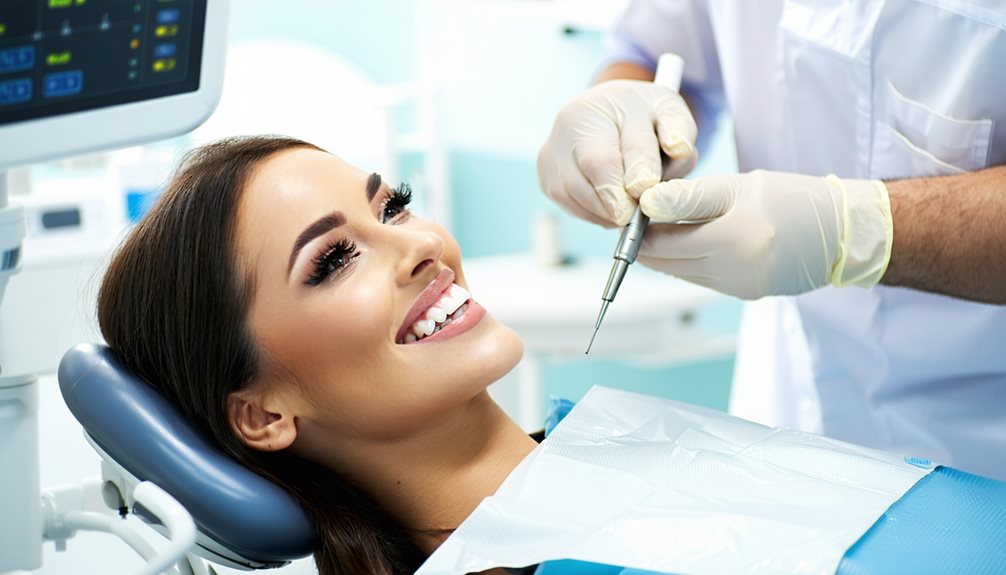
Opting for top sedation experts in orthodontics guarantees patient comfort and safety, which are paramount for effective treatment. Experts minimize anxiety and discomfort through tailored sedation techniques, ranging from nitrous oxide to oral medications, improving treatment compliance and outcomes. They adhere to strict safety protocols, utilizing advanced monitoring and pre-sedation assessments to mitigate risks. Their credentials and experience facilitate complex procedures efficiently, reducing the number of sessions required. Through verified training and safety strategies, these specialists transform challenging procedures into manageable experiences, ultimately enhancing patient satisfaction and treatment success. Discover how these experts greatly elevate orthodontic care.
Benefits of Sedation in Orthodontics
While undergoing orthodontic treatments can be an intimidating experience for many patients, the use of sedation in orthodontics presents several significant benefits that can enhance patient comfort and compliance. At the forefront of these advantages is effective pain management. Sedation allows for a controlled environment where discomfort is minimized, facilitating an ideal experience for both patient and practitioner. This is particularly essential in complex orthodontic procedures that might otherwise deter individuals from seeking necessary care.
Moreover, sedation plays an important role in anxiety reduction. Dental anxiety is a well-documented barrier to orthodontic treatment, often leading to postponed or neglected care. By integrating sedation, orthodontists are able to create a calming atmosphere that alleviates patients’ fears, ensuring treatment progresses smoothly. This innovative approach not only improves patient satisfaction but also enhances overall treatment compliance, leading to better clinical outcomes.
Additionally, sedation can aid in reducing involuntary movements, allowing precise execution of intricate orthodontic techniques. As orthodontic technology continues to evolve, the strategic use of sedation is becoming an integral component of patient-centered orthodontic care.
Consequently, sedation remains a pivotal tool in advancing both the efficacy and accessibility of modern orthodontic treatments.
Types of Sedation Available
In the domain of orthodontics, various types of sedation are employed to cater to the diverse needs of patients. Nitrous oxide, commonly referred to as "laughing gas," is a prevalent choice due to its rapid onset and reversible effects.
Administered through a nasal mask, nitrous oxide induces a state of relaxation while maintaining patient consciousness, allowing for effective communication throughout the procedure. Its safety profile and minimal side effects make it an ideal option for both children and adults seeking anxiety reduction during orthodontic treatments.
Oral sedation, another widely utilized method, involves the administration of sedative medications through pills or liquid. This form of sedation provides a deeper state of relaxation compared to nitrous oxide and is particularly beneficial for patients undergoing more extensive or lengthy procedures.
The onset of oral sedation varies depending on the drug used, and its effects can range from mild drowsiness to moderate sedation, allowing for flexible tailoring to individual patient needs.
The choice between nitrous oxide and oral sedation is largely dictated by the specific requirements of the procedure, patient anxiety levels, and medical history, highlighting the importance of selecting top sedation experts in orthodontics to tailor sedation strategies effectively.
Safety Measures and Protocols
When considering the appropriate sedation method, guaranteeing patient safety is paramount in orthodontics. Cutting-edge monitoring techniques are employed to maintain ideal sedation levels and physiological stability during procedures. Advanced pulse oximetry, capnography, and electrocardiography are utilized to monitor essential signs continuously. This enables real-time assessment of oxygen saturation, ventilation adequacy, and cardiac activity, fostering an environment where any deviations can be promptly addressed.
The integration of such technology underscores a commitment to innovation and precision in patient care.
Emergency preparedness is another critical component of sedation safety protocols. Orthodontic practices must be equipped with thorough emergency kits, including oxygen supplies, airway management devices, and emergency medications. Regular simulation drills are conducted to guarantee that all staff members are proficient in emergency response protocols. This proactive approach assures that, in the event of an unexpected complication, the team can respond swiftly and efficiently.
Furthermore, sedation experts follow rigorous pre-sedation assessments to identify any potential risk factors in patients. This involves reviewing medical histories, allergies, and current medications to tailor sedation plans effectively.
Choosing the Right Expert
Selecting an appropriate sedation expert in orthodontics necessitates a thorough evaluation of their credentials and experience, ensuring that they are adequately qualified to administer sedation safely.
It is imperative to assess their adherence to established patient safety protocols, as this reflects their commitment to minimizing risks associated with sedation.
A detailed understanding of these factors is essential for making informed decisions that prioritize patient safety and effective treatment outcomes.
Credentials and Experience
The selection of a sedation expert in orthodontics necessitates a careful examination of their credentials and experience to guarantee patient safety and ideal outcomes. Credential verification is a critical process that involves confirming the expert’s educational background, board certifications, and any additional training specific to sedation techniques. This confirms the professional has received rigorous education and is qualified to administer sedation safely.
Additionally, credential verification should include checking memberships in professional organizations, which can indicate a commitment to ongoing education and adherence to industry standards.
Experience assessment is equally significant in choosing the right sedation expert. Evaluating the practitioner’s experience involves analyzing the number and variety of sedation cases they have handled, as well as their familiarity with innovative sedation methods. An expert with a robust portfolio of successful cases is likely to possess the nuanced understanding required to tailor sedation plans to diverse orthodontic needs.
Furthermore, it is essential to assess the expert’s track record in managing potential complications, which serves as an indicator of their proficiency and adaptability in dynamic clinical settings. By prioritizing these factors, patients can confidently opt for an expert who embodies excellence in both credentials and experience.
Patient Safety Protocols
Ensuring patient safety in orthodontic sedation requires meticulous attention to established protocols, which are integral to selecting the right expert.
The implementation of robust safety protocols is essential, involving thorough pre-sedation evaluations, continuous monitoring during procedures, and post-operative care to mitigate potential complications.
In the pursuit of innovation, top sedation experts incorporate cutting-edge technologies and methodologies to refine safety measures. This includes the utilization of advanced monitoring systems capable of tracking essential signs in real-time, ensuring rapid response to any deviations from normal parameters. A critical component of these protocols is the ability to swiftly adjust sedation levels, maintaining a delicate balance between patient comfort and physiological stability.
Furthermore, patient-specific factors, such as medical history and allergy profiles, are meticulously evaluated to customize sedation plans that align with individual needs. By adhering to these stringent protocols, orthodontic sedation experts not only alleviate patient anxiety but also enhance procedural outcomes, setting a benchmark for excellence in patient care.
Enhancing Patient Comfort
Patient comfort remains a paramount concern in orthodontics, where the intersection of technology and human care plays a critical role. Addressing patient anxiety is essential to enhancing the overall treatment experience, particularly when intricate procedures are involved.
Top sedation experts incorporate advanced sedation techniques to alleviate anxiety, guaranteeing patients remain calm and comfortable throughout their orthodontic journey. These techniques range from minimal sedation, where patients stay awake but relaxed, to more profound levels of sedation tailored to individual needs.
The integration of sedation in orthodontics is not merely about reducing discomfort; it is about transforming the treatment experience entirely. By employing cutting-edge sedation technologies, practitioners can minimize the stress and apprehension often associated with orthodontic procedures.
This not only enhances patient satisfaction but also allows for more efficient and effective treatment sessions. Additionally, sedation can lead to improved cooperation from patients, resulting in optimized treatment outcomes.
In an era where patient-centric care is prioritized, sedation experts play a pivotal role in redefining orthodontic care standards. Their expertise in managing patient anxiety guarantees a seamless, comfortable, and innovative orthodontic experience, aligning with the desires of a forward-thinking audience seeking advanced dental solutions.
Success Stories and Testimonials
Many patients have experienced considerable transformations in their orthodontic journey due to expert sedation techniques. By mitigating anxiety and discomfort, sedation experts have enhanced both patient experiences and treatment outcomes. These success stories underscore the crucial role of sedation in facilitating complex orthodontic interventions and maximizing patient satisfaction.
-
Enhanced Comfort and Cooperation: Patients report a dramatic reduction in procedural anxiety, allowing for seamless cooperation during treatment. This alleviation of fear translates into improved procedural efficiency and accuracy, culminating in superior treatment outcomes.
-
Accelerated Treatment Progress: Sedation has enabled practitioners to execute more intricate procedures in a single session, markedly reducing the overall duration of treatment. Patients have voiced their appreciation for shorter treatment timelines, which minimize disruption to their daily lives.
-
Improved Treatment Accessibility: For individuals with special needs or severe dental phobia, sedation has been essential in making orthodontic care accessible. Testimonials frequently highlight how sedation transformed intimidating dental visits into manageable experiences, enabling patients to pursue necessary orthodontic corrections without hesitation.
The integration of sedation in orthodontics is a demonstration of the field’s commitment to patient-centric innovation, addressing patient apprehensions while ensuring ideal treatment delivery.
These success stories affirm the profound impact of sedation expertise on patient experiences and highlight the potential for continued advancements in orthodontic care.
Frequently Asked Questions
What Are the Costs Associated With Sedation in Orthodontics?
The costs associated with sedation in orthodontics vary, influenced by procedure pricing and insurance coverage. Innovations in sedation techniques may affect pricing structures. Patients should consult their insurance providers to understand coverage options and out-of-pocket expenses.
How Does Sedation Affect the Duration of Orthodontic Procedures?
Sedation techniques can greatly enhance procedure efficiency by minimizing patient movement and anxiety, thereby reducing the overall duration of orthodontic procedures. This allows orthodontists to perform treatments more effectively and with greater precision, ultimately benefiting both patients and practitioners.
Are There Any Dietary Restrictions Before Undergoing Sedation?
Prior to sedation, patients must adhere to specific dietary guidelines. Pre-sedation instructions typically require fasting from solid foods for at least six hours and clear liquids up to two hours before the procedure, ensuring ideal sedation safety and efficacy.
What Should Patients Disclose About Their Medical History Before Sedation?
Patients should disclose all pre-existing conditions and provide thorough allergy information prior to undergoing sedation. This guarantees personalized care, minimizes risk, and allows the sedation team to tailor their approach, integrating the latest advancements in orthodontic sedation practices.
How Does Sedation Impact Recovery Time After Orthodontic Treatment?
Sedation benefits include reducing anxiety and discomfort, potentially leading to smoother procedures. However, recovery expectations may vary, with some patients experiencing delayed responsiveness post-treatment, necessitating careful monitoring to guarantee ideal recovery and minimize any potential complications.
Conclusion
Opting for top sedation experts in orthodontics provides significant advantages, including improved patient comfort and enhanced procedural outcomes. Various sedation types, tailored to individual needs, guarantee a personalized treatment approach. Rigorous safety measures and protocols further underscore the importance of selecting a qualified professional. The expertise of sedation specialists not only facilitates smoother orthodontic procedures but also fosters patient trust and satisfaction. Success stories and testimonials attest to the transformative impact of expert sedation in orthodontic care.

